
Zephyr – Activated Alumina / Carbon Mix
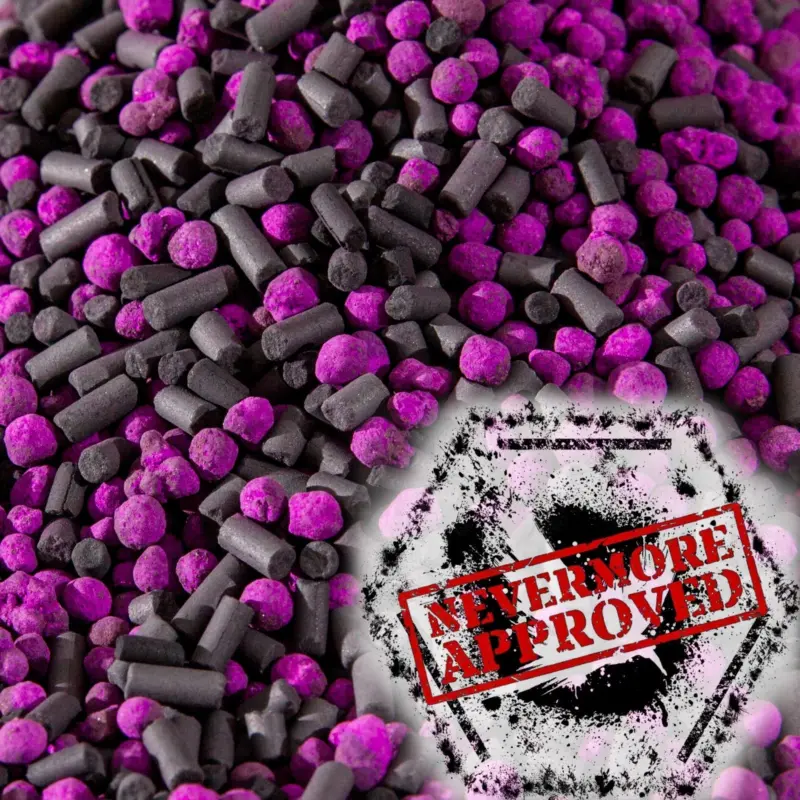
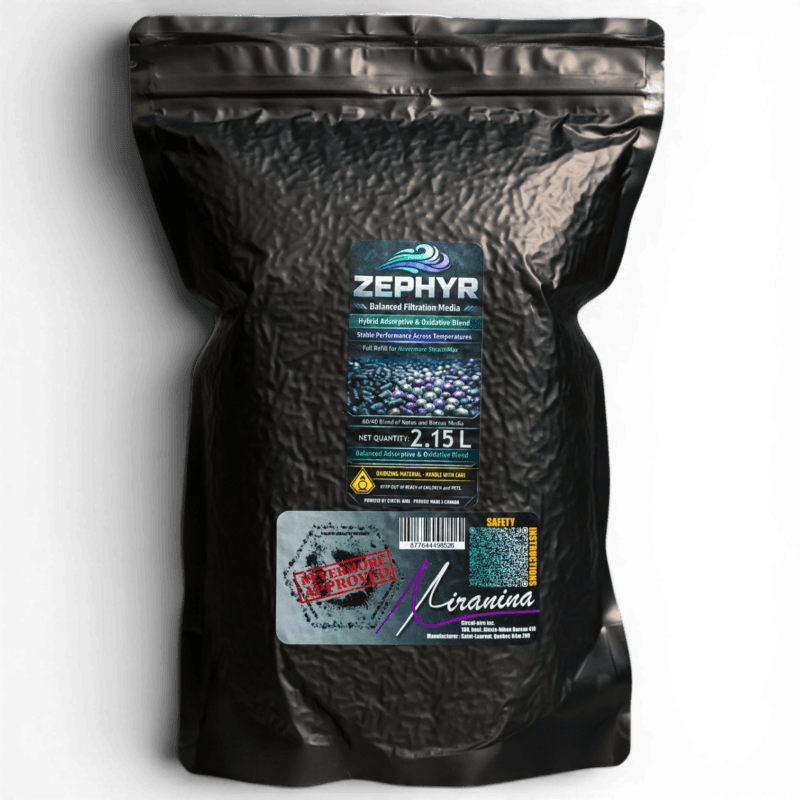
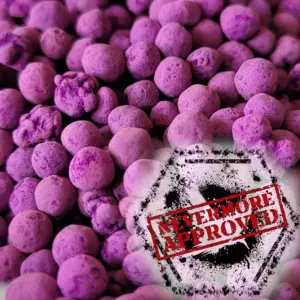
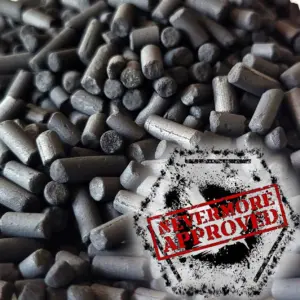
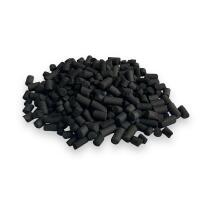
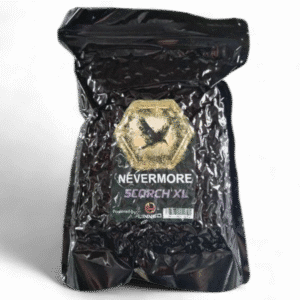
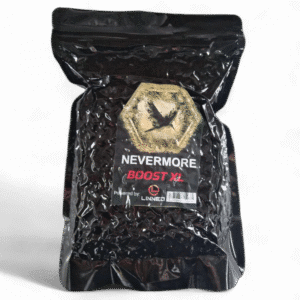
Having difficulties getting filtration media for your 3D printer? Here is an alternative to Nevermore Boost: Zephyr. A Nevermore-approved alternative to mixed carbon/KMnO₄ media such as Nevermore Boost. Zephyr combines Boreas activated carbon with Notus potassium-permanganate alumina beads in a ready-to-use blend.. Mixed with acid free activated charcoal at a 60/40 V/V for balanced performance and cost efficiency. Made in Canada.
- Optimal Quantity : Each vacuum-sealed 2.15l (~1.6kg) bag is enough to completely fill a Nevermore StealthMax
- Simplicity : No need to go through the dusty mixing of these two and manage two orders. Just order and fill.
- Shipped in a resealable vacuum bag to extend shelf life and allow partial use.
Typical properties KMnO4:
- H²S Capacity (minimum): 0.10 g H²S/cc
- Moisture: 22 wt%
- Compaction (minimum): 2.7 kg (6 lb.)
- Particle Diameter: 3.2 mm (1/8 in.)
- Apparent Density: 0.88 g/cc (55 lb./ft³)
- Pressure Drop @ 50 fpm (0.25 m/s): 1.0 in. of water/ft. of bed
Typical properties carbon:
- Moisture (maximum): 2 wt%
- Hardness (minimum): 95 wt%
- Particle Diameter: 3 mm
- Substrate CTC (minimum): 70 wt%
- Substrate Surface Area: 1,250 m²/g
- Ash Content: 12% maximum
- Pressure Drop @ 50 fpm (0.25 m/s): 1.7 in. of water/ft. of bed
Zephyr is better suited than carbon-only media for hotter chambers because its KMnO₄ chemistry does not rely solely on physical adsorption. Performance still depends on airflow, media loading, humidity, chamber conditions and print time.
Why it is a “match in heaven” for 3D-printing:
- activated alumina is an engineered micro-lattice structure working with adsorption like charcol for the VOC it cannot neutralise
- activated alumina is hygroscopic. In a recirculating printer chamber, the same enclosed air repeatedly passes through the media, so the alumina has more opportunity to adsorb some moisture around the filter bed. This may support the KMnO₄ chemistry, but it is not a replacement for properly drying filament before printing.
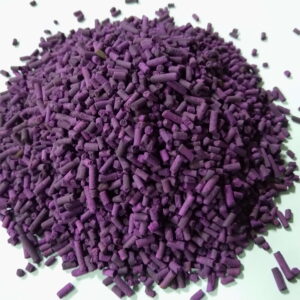
- The porous alumina substrate helps bring gas molecules into contact with the KMnO₄ (the pruprle stuff…), allowing adsorption and chemical oxidation to work together.
Indicator when to Change
The pellets are visually indicative of their usage: bright purple when fresh, turning grey as they react and become spent! This visual cue provides a simple and effective way to monitor the lifespan of your filtration media. Make sure to “crush” one pellet to check that they are grey throughout, as they will turn grey on the outside after ~ 1 week of usage but are still good till they are fully grey to the inside.
Compatibility and Printer Safety
The Boreas carbon in Zephyr is steam-activated, acid free and designed to be safe for use in 3D printers, without causing damage printer metal parts.
Safety information
Zephyr contains potassium permanganate (an oxidiser) and is worth handling sensibly. In practical terms: don’t breathe in the dust, keep it off your skin and out of your eyes, wear gloves and safety glasses when refilling, and use a dust mask if you’re moving any significant quantity. The summary below is taken straight from the manufacturer’s Safety Data Sheet.
Other notes: Contact between wet skin and the product may leach out potassium permanganate and leave brown stains. These wash off over time or can be removed with lemon juice. Avoid generating dust during refills. Store dry, in the original sealed container, away from acids, strong oxidisers and combustible materials.
First aid quick reference
- Eyes: flush with plenty of clean water for several minutes, holding eyelids open. Remove contact lenses if easy to do. If irritation persists, consult an ophthalmologist.
- Skin: wash with plenty of water and soap. Remove contaminated clothing. If irritation develops, get medical advice.
- Inhalation: move to fresh air. Seek medical attention if respiratory irritation persists.
- Ingestion: rinse mouth with water (only if the person is conscious). Do not induce vomiting. Seek medical attention.
Disposal
Once KMnO₄ media is fully spent (grey all the way through a crushed bead) and saturated with VOCs from normal 3D-printer use, small domestic quantities can generally go in household waste, subject to your local council’s rules. Unspent material (still bright purple) is reactive and should not go in general waste or down the drain — route it through your local household waste recycling centre as reactive/oxidising chemical waste. Do not allow product to enter surface water or drains; if wetted, potassium permanganate may leach out and turn water pink to purple.

Reviews
There are no reviews yet.